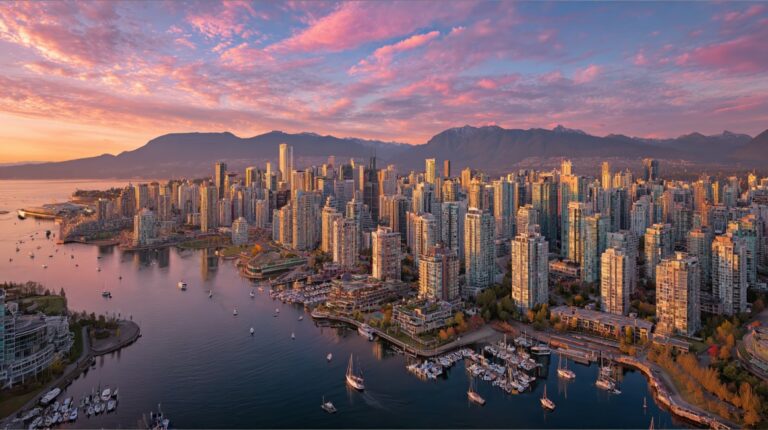
Vancouver ranks among Canada’s fastest-growing urban centers, recognized for scenic surroundings, global connections, and economic opportunity.
- Housing supply
- Transportation investment
- Long-term infrastructure decisions
Confusion often arises between population counts for the City of Vancouver and figures covering the wider metropolitan area.
Clear separation between the city proper and Metro Vancouver helps present an accurate picture of how many people live in the region.
Current Population Figures (2024–2025)
Population size across Vancouver and its metropolitan area reflects steady expansion linked to migration flows, employment concentration, and coordinated regional planning.
Clear separation between city proper counts and metropolitan totals allows public agencies, investors, and planners to interpret demographic data accurately and apply it effectively to housing, transportation, and service delivery decisions.
City of Vancouver (City Proper)
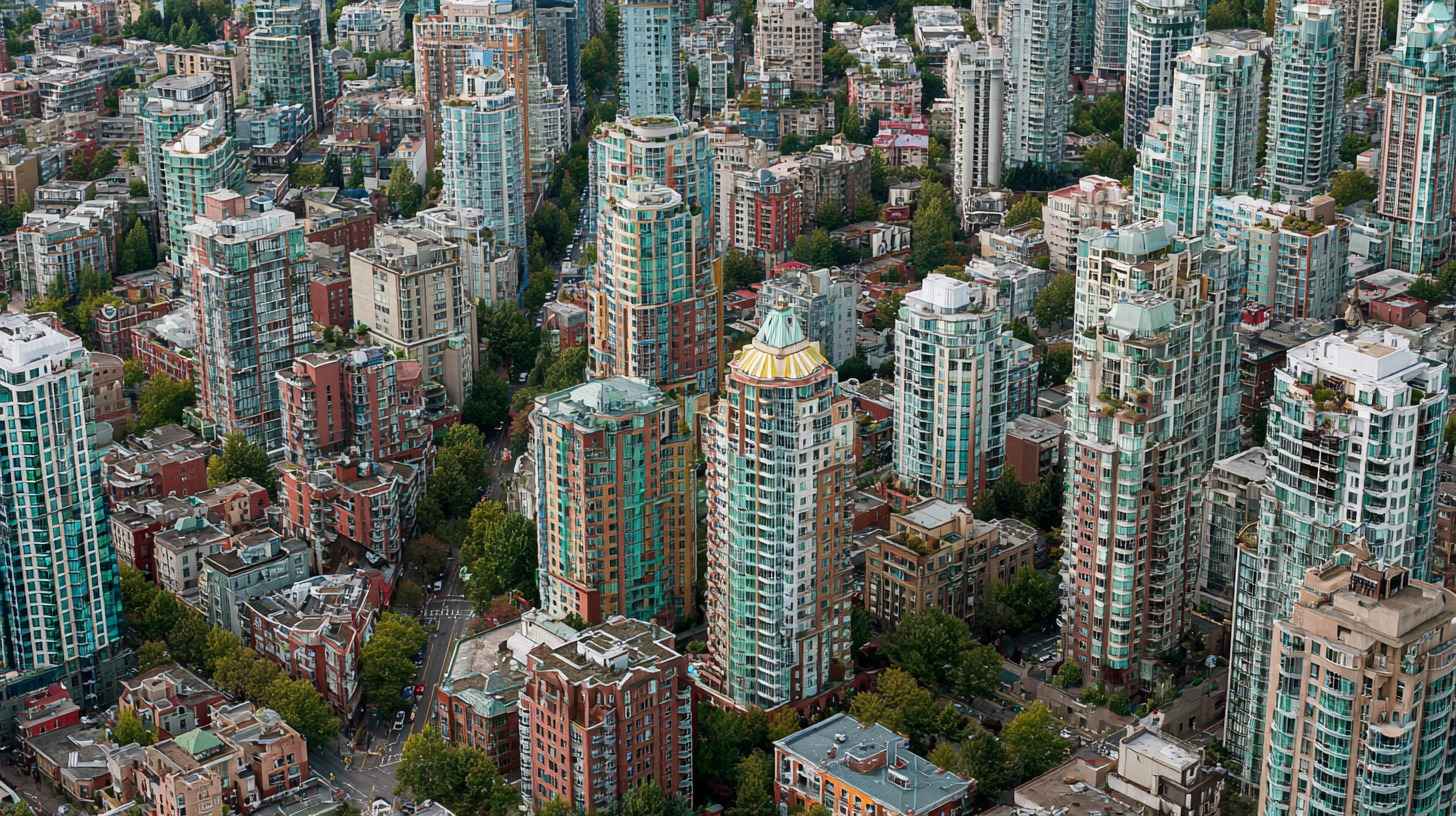
The population within municipal boundaries reached approximately 675,218 according to the 2021 census. Local estimates indicated growth pushing the total closer to 698,000 within the same timeframe, followed by continued increases into the mid-2020s.
Physical constraints, established neighborhoods, and zoning policies shape how additional residents are accommodated, placing emphasis on compact growth rather than outward expansion.
- Residential density ranks among the highest in Canada
- Employment, education, healthcare, and cultural institutions remain heavily concentrated
- Redevelopment activity prioritizes multi-family buildings near rapid transit
Growth inside the city typically occurs through vertical construction, redevelopment of older sites, and infill housing, allowing population increases without significant geographic expansion.
Metro Vancouver (Greater Vancouver Area)
Metro Vancouver surpassed three million residents by early 2025, reaching a demographic milestone earlier than many previous projections anticipated.
Regional boundaries encompass a wide range of urban cores, suburban municipalities, industrial zones, agricultural land reserves, and protected natural areas, supporting varied growth patterns.
- 21 municipalities with independent councils
- One electoral area covering rural communities
- One treaty First Nation with self-governance authority
Rapid regional population growth reflects sustained immigration, continued movement within Canada, and economic resilience across multiple industries. Suburban and secondary urban centers absorb much of the additional population, easing pressure on the city core.
Breakdown by Municipality (Medium Growth Scenario)
- Current policy
- Economic conditions
- Housing capacity
Projections integrate expected immigration volumes, redevelopment potential, transportation investments, and municipal land constraints. Variation among municipalities reflects differences in available land, zoning frameworks, and infrastructure readiness.
Vancouver
City population measured close to 698,000 in 2021. Long-term growth remains steady rather than rapid, shaped by limited developable land and an emphasis on intensification within existing neighborhoods.
Housing growth largely occurs near rapid transit corridors and designated redevelopment zones.
- About 816,000 residents by 2030
- Around 912,000 residents by 2040
- Nearly 991,000 residents by 2050
Population increases rely heavily on vertical construction, replacement of older housing stock, and mixed-use developments.
Growth pace remains slower than suburban municipalities, though absolute gains remain substantial due to existing density.
Surrey
Surrey continues establishing itself as a primary growth engine within Metro Vancouver.
The population reached roughly 597,000 in 2021, supported by extensive residential development, new commercial districts, and expanding transit infrastructure.
- Approximately 734,000 residents by 2030
- Around 859,000 residents by 2040
- Close to 960,000 residents by 2050
Large scale housing projects, growing educational institutions, and decentralized job centers contribute to sustained population momentum. Surrey plays a major role in accommodating regional growth pressures.
Burnaby
Burnaby recorded about 262,000 residents in 2021. Municipal planning emphasizes compact growth tied closely to transit stations and established town centers.
Mixed use towers and high density residential projects support steady population increases without outward expansion.
- Roughly 310,000 residents by 2030
- About 354,000 residents by 2040
- Near 388,000 residents by 2050
Balanced growth allows continued expansion of housing supply while preserving employment hubs and transportation efficiency.
Key Drivers of Population Growth
Population expansion across Vancouver and surrounding municipalities results from several interconnected forces. Migration represents the dominant factor shaping both short term and long term demographic change.
Immigration
Immigration functions as the primary engine of population growth. Vancouver attracts newcomers through federal programs aligned with labor demand, education pathways, and family reunification.
Regional projections respond dynamically to national immigration targets updated through rolling multi-year plans.
- Sustained demand for skilled and professional workers
- Large international student population transitioning into permanent residency
- Well established newcomer networks supporting settlement and retention
Natural Increase
Birth rates continue exceeding death rates across much of the region, though contribution remains secondary to migration.
Aging population patterns gradually reduce the influence of natural increase, particularly in dense urban areas where household sizes trend smaller.
Interprovincial Migration
Movement of residents from other Canadian provinces adds consistently to population totals.
Employment opportunities, relative housing availability outside the urban core, and climate preferences influence relocation decisions.
Technology, film, and professional services remain strong attractors for working age residents and young families.
Future Growth Projections for Metro Vancouver
View this post on Instagram
Long range forecasts highlight sustained expansion across Metro Vancouver well into mid century. Population reached approximately 2.784 million in 2021, forming the baseline for current projections.
- About 3.323 million residents by 2030
- Roughly 3.81 million residents by 2040
Regional population anticipated to reach four million around 2045, nearly nine years earlier than previous outlooks suggested. Total population projected near 4.21 million by 2050 underscores the scale of infrastructure and housing planning required.
Demographics and Urban Trends
Demographic patterns provide insight into housing demand, labor markets, and service needs across the region.
All further information on this statistic can be found at Statista
Population Composition
Immigrants account for nearly half of Vancouver’s residents, reflecting long standing settlement trends. Large population groups trace roots to East Asia, South Asia, Southeast Asia, and the Philippines, shaping neighborhood character, commerce, and cultural institutions.
Age Distribution
Median age reached approximately 39.4 years in 2021. Adult residents between ages 20 and 44 represent a significant share of the population, influenced by employment opportunities and post secondary institutions concentrated across the region.
- Strong presence of working age adults
- Gradual growth among older age groups
- Ongoing demand for family oriented housing and services
Urban Development and Housing
Vancouver ranks among Canada’s most densely populated cities. High housing costs continue influencing zoning changes, redevelopment policies, and transit focused construction.
Regional initiatives emphasize increasing supply while managing affordability pressures.
Economic and Environmental Impact
Population growth directly affects economic performance and environmental planning across Metro Vancouver.
Economy
Several industries continue attracting new residents and supporting job creation. Technology companies expand regional employment bases, while film and television production reinforces global recognition.
Tourism supports a broad service economy tied to hospitality, transportation, and entertainment.
Sustainability Measures
Growth management places strong emphasis on long term environmental responsibility. Planning priorities focus on public transit expansion, renewable energy adoption, and preservation of urban green space.
Coordinated regional strategies aim to balance population increases with environmental protection and overall livability.
The Bottom Line
Vancouver population continues rising across both city boundaries and the broader metropolitan area.
Current estimates show nearly 700,000 residents inside the city and more than three million across Metro Vancouver.
Continued growth creates opportunities for economic development while increasing pressure on housing, transportation, and public services.
Accurate population projections remain essential for resilient and inclusive urban planning decisions.