

Outdoor dining expectations have shifted toward immersive, nature-focused experiences that feel intentional and memorable.
A well-designed restaurant garden works as a strategic extension of the brand rather than a simple decoration.
Thoughtful greenery improves mood, supports better air quality, and elevates overall atmosphere while encouraging longer visits and repeat customers.
Purpose-driven garden design also increases visual interest, making spaces more shareable and conversation-worthy.
The practical ideas below focus on comfort, function, and sensory engagement to help restaurants create inviting garden environments that perform as business assets.
1. Embrace Biophilic Design: Let Nature Lead
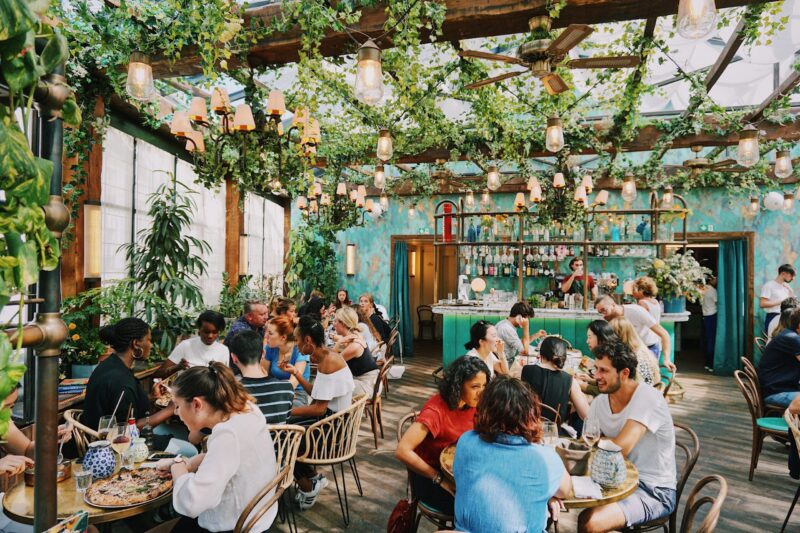
Biophilic design strengthens the human connection to nature while supporting calm, healthy dining environments that encourage guests to stay longer.
Living greenery introduces visual softness and balance, helping busy restaurant settings feel more relaxed and welcoming.
Vertical gardens, overhead planters, and layered plant groupings add depth without reducing usable seating space.
Ceiling-hung herbs and trailing plants create an immersive overhead canopy while supporting kitchen operations through fresh ingredients grown on site.
Green elements also serve multiple functional roles at once, which increases their overall value.
Strategic placement allows plants to work harder than decoration alone by contributing to comfort and usability in measurable ways.
Decorative pots filled with mint, basil, or thyme offer low-maintenance greenery that also feeds directly into food and beverage programs.
Native or drought-tolerant plant choices reduce water consumption, lower replacement costs, and support long-term sustainability goals without sacrificing visual impact.
2. Enhance Ambience with Lighting and Water Features
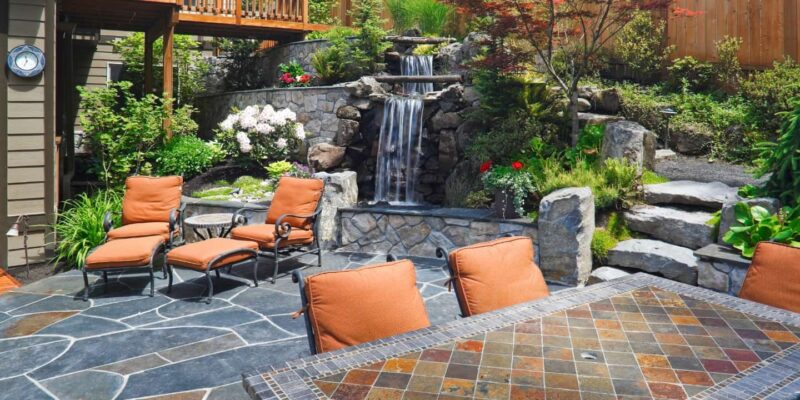
Lighting shapes atmosphere after sunset and plays a major role in extending outdoor dining hours.
A layered lighting approach balances safety needs with visual warmth, allowing spaces to transition smoothly into evening service.
Soft illumination encourages guests to linger while maintaining clear visibility for staff.
Certain lighting and water elements create a strong sensory impact when combined thoughtfully:
- String lights and lanterns to define seating zones
- Low-voltage path lights for safe navigation
- Fountains that add a calming background sound
Water features help mask street noise and introduce a sense of calm through gentle movement and sound.
Submersible LED lights for fountains create glowing focal points that draw attention after dark.
Careful placement prevents glare while highlighting greenery and architectural features.
3. Create Thematic and Zoned Spaces
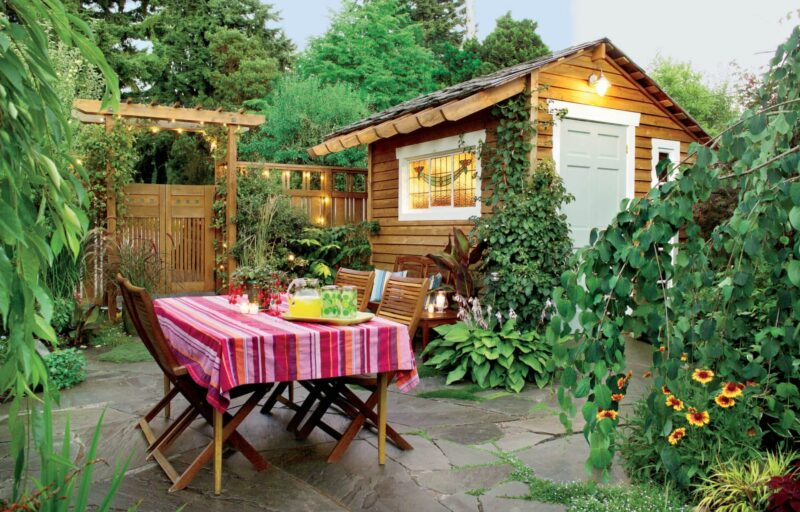
Intentional zoning improves guest comfort, service flow, and overall satisfaction by aligning seating areas with specific dining needs.
Clear spatial organization helps guests intuitively choose areas that suit their visit, while staff benefit through smoother movement and clearer table management.
Carefully defined zones also allow restaurants to serve multiple audiences at once without conflict.
Specific zone planning supports distinct guest experiences, which can include the following focused setups:
- Pet-friendly seating with shaded areas and water access
- Intimate sections using soft lighting and closer table spacing
- Family-oriented areas near open views and durable greenery
Tall planters and potted dividers introduce privacy without creating visual barriers, helping spaces feel open rather than segmented.
Plant-based dividers also reduce noise levels, which improves conversation quality across busy service periods.
A consistent design theme across all zones maintains visual cohesion while allowing each area to fulfill a clear functional role that enhances the guest experience.
4. Cozy and Comfortable Garden Seating
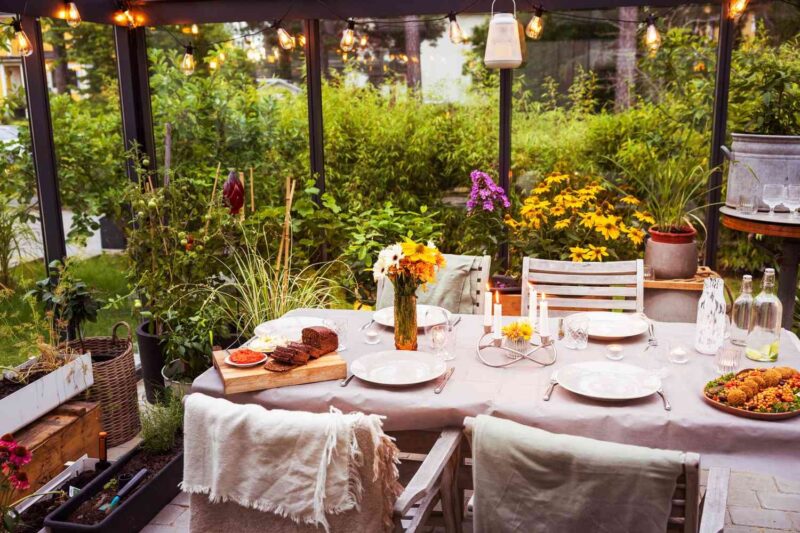
Comfort directly influences how long guests remain seated and how positively they remember the experience.
Seating should encourage relaxation without compromising flexibility for changing group sizes or service needs.
A thoughtful mix of furniture styles keeps layouts adaptable and visually engaging while supporting different dining behaviors throughout the day.
Throw pillows and light blankets introduce seasonal color and add warmth during cooler evenings, helping outdoor areas remain usable longer.
Furniture materials should align with local climate conditions, using metal in windy or storm-prone settings and synthetic rattan or treated wood in humid areas.
Informal seating arrangements reduce pressure on guests, supporting conversation and comfort rather than quick turnover.
5. Integrate Functional Green Design
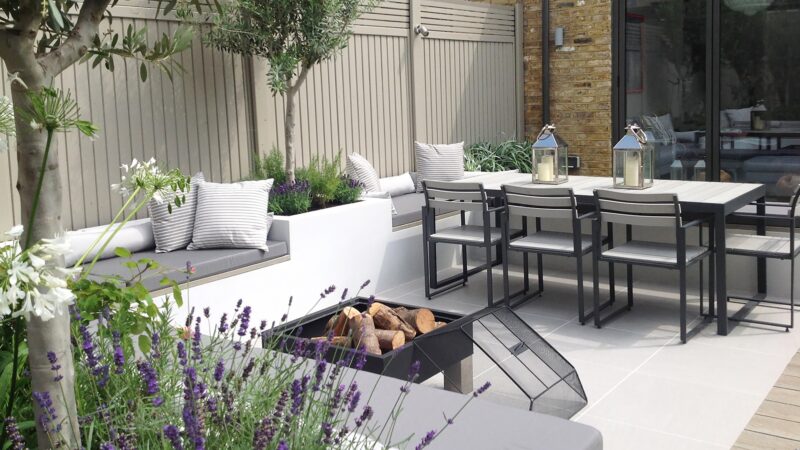
Effective garden design supports operational efficiency as much as visual quality.
Planning should prioritize how guests and staff move through the space, especially during busy service periods.
Shade placement, table spacing, and circulation routes should guide layout decisions early to avoid later adjustments.
Gravel paths should be avoided in dining areas due to mobility challenges and maintenance issues.
Wide, clearly marked paths allow servers to move smoothly while carrying trays and reduce congestion during peak hours.
Functional plant placement also helps regulate temperature by providing natural shade and cooling effects.
6. Use Art and Decor to Add Character
Art and decor give garden spaces personality and reinforce brand identity without overwhelming the natural setting.
Thoughtfully chosen pieces create visual interest and help guests connect emotionally with the space.
Local artwork and handcrafted elements often resonate more strongly than mass-produced decor.
Consistency across decor elements maintains a polished look, while occasional playful details prevent the space feeling overly formal.
Decorative features should complement greenery rather than compete with it, allowing plants to remain a central visual feature.
7. Prioritize Maintenance for Year-Round Beauty
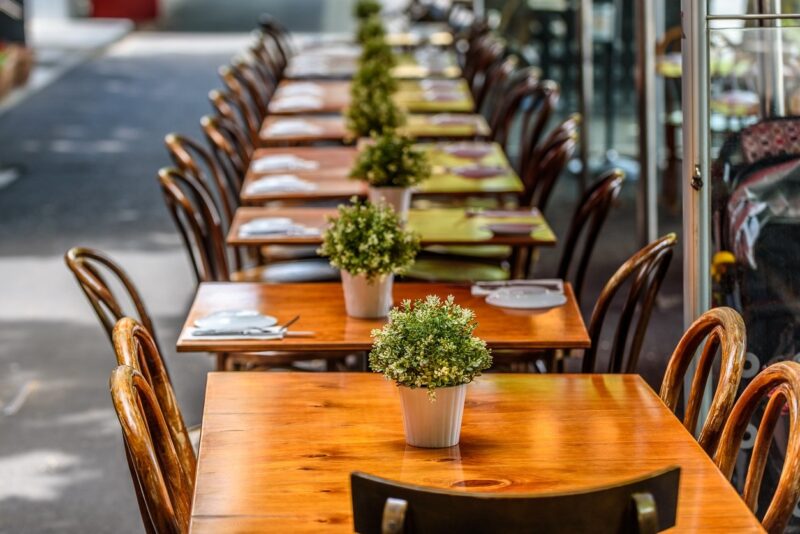
Ongoing care protects visual quality, guest perception, and long-term investment.
Even well-designed gardens lose value quickly without consistent upkeep.
A clean, healthy outdoor space signals professionalism and attention to detail.
Maintenance routines should follow a predictable schedule to prevent larger issues later.
- Pruning, cleaning, and pest control at least every three months
- Seasonal leaf removal and plant-specific fertilizing
- Regular weeding to protect plant health and appearance
Proactive care reduces repair costs, prevents safety hazards, and keeps dining areas inviting.
Seasonal updates using fresh plants, refreshed decor, or menu tie-ins help maintain guest interest and encourage repeat visits throughout the year.
The Bottom Line
A restaurant garden functions as a powerful hospitality tool when designed with intention.
Strategic planting, thoughtful zoning, comfortable seating, and sensory elements like lighting and water features work together to shape memorable dining environments.
Consistent maintenance ensures long-term success and protects the guest experience.
The seven ideas outlined above offer a clear framework for creating a garden that supports operations, strengthens brand perception, and encourages guests to return.