
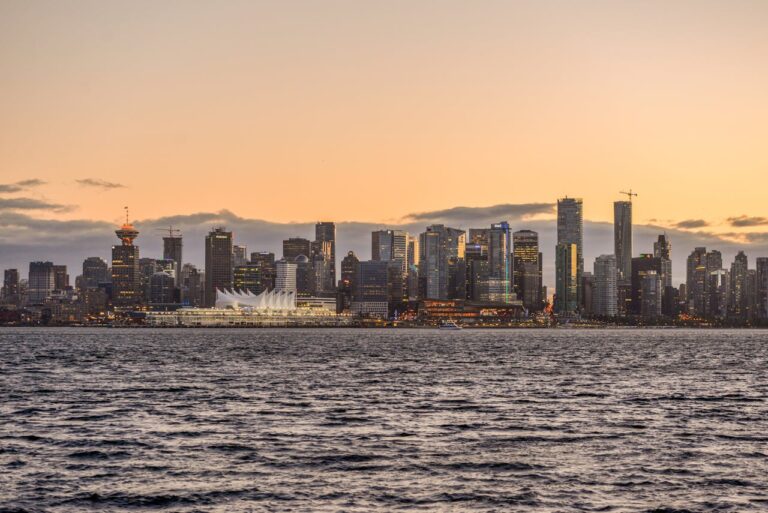
Vancouver pulls off a rare trick. A proper city break and a real outdoor escape can share the same calendar without feeling rushed or stitched together.
You can start the morning on a seawall with mountain silhouettes in the distance, eat dumplings in Richmond for lunch, cross Burrard Inlet by ferry in the afternoon, then end the night in a neighborhood where walking still makes sense after dark. Few cities let days unfold that cleanly.
The goal with Vancouver is not to chase every headline attraction. The city works best when plans stay flexible, and moods change naturally, water in the morning, neighborhoods mid-day, food at night, maybe mountains if the weather cooperates. Let’s get into the details.
When to Go and How Seasons Change the Feel
Vancouver works year-round, but the experience shifts with the calendar.
Late Spring Through Early Fall
Long days, busy patios, and peak demand for hotels define this stretch. Outdoor plans stay easy. Seawall walks, beaches, Capilano, Grouse Mountain, and Sea-to-Sky day trips all line up without much friction.
For travelers who want summer energy without the crush, late spring or early fall tends to hit the sweet spot. You still get access to everything outdoors, just with fewer waits and easier reservations.
Fall and Winter
The city stays active, but plans tilt indoors more often. Museums and galleries carry more weight. Forest walks and viewpoints still work, just plan around rain and earlier sunsets.
Winter also brings a quiet perk. Mountain access stays close, which means snowshoeing or skiing during the day and dinner downtown the same evening.
What to Do in Vancouver
Vancouver’s highlights spread across different moods rather than one central strip. The smartest approach mixes categories instead of chasing every must-see in one lane.
Start With the Waterfront
If time is limited, the waterfront earns priority.
Stanley Park Seawall Loop
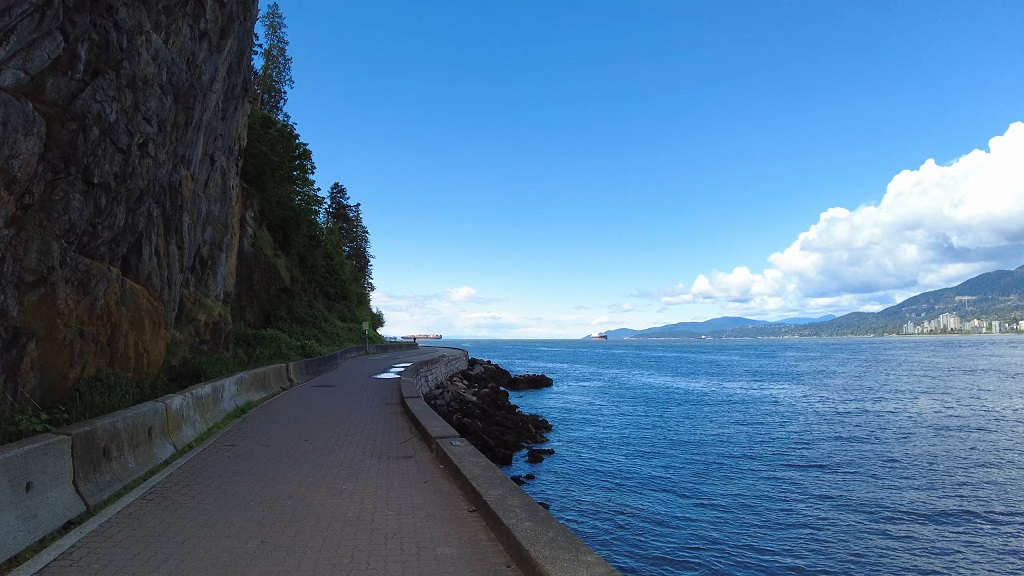
The City of Vancouver describes the Stanley Park seawall loop as a 10-km circuit and one of the most popular outdoor outings in the city.
Practical Notes
- Go early if quieter paths matter.
- Cyclists should follow posted flow and expect congestion at viewpoints.
- Photo stops stack up naturally, skyline angles, Lions Gate Bridge views, open water.
Even without finishing the full loop, a partial walk or ride still delivers the payoff.
Seaside Greenway
For a longer day, the Seaside Greenway stretches far beyond Stanley Park. The City of Vancouver describes it as a 28-km walking and cycling route running from the Vancouver Convention Centre to Spanish Banks Park.
No need to tackle all 28 km. Treat it as a connector. Coal Harbour, English Bay, Kitsilano, Jericho, and Spanish Banks all link cleanly along the route.
Granville Island
Granville Island’s public market works best as a slow build. Show up hungry. Grab coffee, sample baked goods, add seafood or produce, then sit outside if the weather allows. Treat lunch as a rolling tasting rather than a sit-down event.
Water access makes Granville Island even easier. False Creek ferries drop you right into the action.
Neighborhoods Worth Your Time
Vancouver runs on neighborhoods. Pick the right one, and a full day can pass within a few square blocks.
Gastown
Historic streets, brick facades, independent shops, cocktail bars, and the famous steam clock pulling cameras in every direction. Compact, dense, and easy to pair with nearby Chinatown.
Yaletown
Polished and modern, packed with restaurants and patios. False Creek seawall access makes evening walks effortless. A strong choice for visitors who want dining and nightlife without feeling cut off from the rest of downtown.
West End
A calmer version of downtown living. Residential streets, quick access to Stanley Park, beaches nearby, and reliable transit connections.
Chinatown
Destination Vancouver frames Vancouver’s Chinatown as one of the city’s most historic neighborhoods and notes it as the third-largest Chinatown in North America. Food anchors most visits, but cultural stops round it out well.
Mount Pleasant
Coffee shops, murals, breweries, and a local feel that reads more residential than tourist-centric. Transit keeps it connected without sacrificing character.
Museums, Galleries, and Culture
Nature may dominate postcards, but indoor stops add depth.
Vancouver Art Gallery
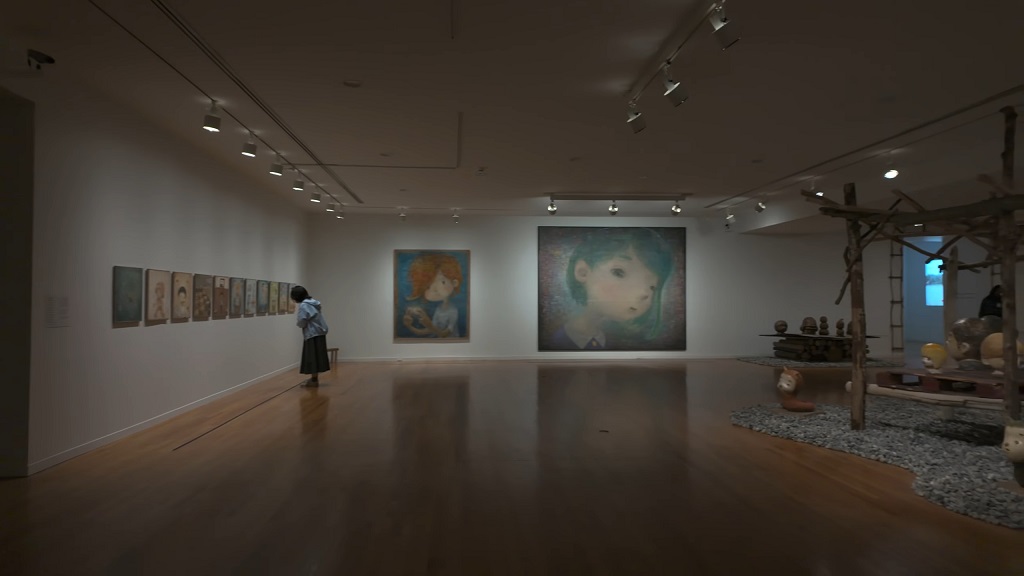
Exhibits rotate often, so check schedules around travel dates. Location makes it easy to slot between downtown walks.
Museum of Anthropology
Located at UBC, the Museum of Anthropology stands out for Indigenous art and cultural objects. The campus setting and surrounding green space add value to the visit.
Science World
Interactive, hands-on, and reliable in any weather. Especially useful when traveling with kids.
Vancouver Aquarium
Pairs naturally with a Stanley Park day. Plan half a day rather than rushing.
Mountains and Big Views
Vancouver’s visual punch comes from proximity to real mountains. At least one elevated viewpoint belongs on any itinerary.
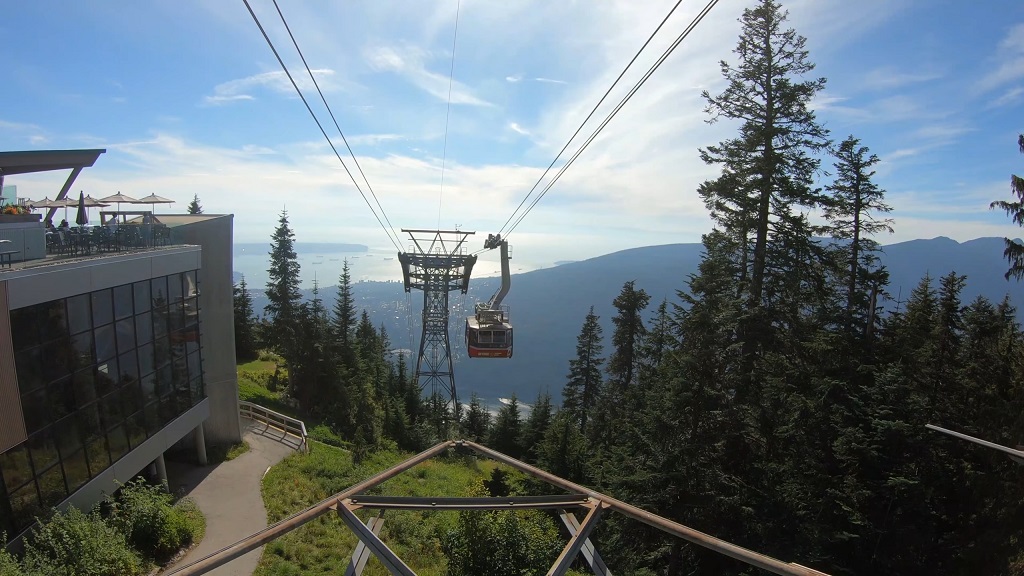
Grouse Mountain
One of the easiest ways to get alpine views without committing to a full day. Transport links stay straightforward.
Capilano Suspension Bridge Park
Rainforest setting, a headline suspension bridge, and elevated walkways. Popular by design, so frame expectations around scenery rather than solitude.
Food That Shapes the Trip
Vancouver can quietly turn into a food-first destination if you let it.
Richmond
Richmond functions as a major dining hub and sits directly on the Canada Line. Easy access without a car makes focused food runs practical.
Granville Island
The market doubles as a tasting lab.
A Smart Restaurant Strategy
Reserve key dinners early, especially on weekends in summer. Leave at least one meal open to follow recommendations or cravings.
Day Trips That Make Sense
With 4 or more days, a single-day trip keeps the city days from blurring together.
Victoria
BC Ferries runs the Tsawwassen to Swartz Bay route, the standard approach for Victoria visits. Start early and budget transit time honestly.
Gulf Islands National Park Reserve
Parks Canada’s Gulf Islands National Park Reserve suits travelers who want a quieter, nature-first day rather than another city stop.
Where to Stay in Vancouver
Where you sleep affects mornings, nights, and transit choices.
Best Areas for First-Time Visitors
- Downtown core for walkability and transit
- West End for park access and calmer streets
- Yaletown for dining and nightlife
Neighborhood Guide
| Area | Best for | Why it works | Watch-outs |
| Downtown (central) | First-time visits | Transit and attractions close | Higher summer prices |
| West End | Parks and beaches | Stanley Park access | Quieter at night |
| Yaletown | Dining and nightlife | Dense restaurant scene | Busy and pricey |
| Gastown | Character stays | Historic feel | Nightlife noise |
| Mount Pleasant | Local energy | Coffee and breweries | Transit planning helps |
| Kitsilano | Beach days | Walkable, relaxed | Longer trips downtown |
| North Vancouver | Outdoor access | SeaBus connection | Less central late at night |
| Richmond | Food-focused travel | Canada Line access | Fewer postcard views |
Costs and Taxes
Accommodation pricing includes British Columbia’s 8% PST, plus a Municipal and Regional District Tax often up to 3%. Hotels may also add parking or facility fees depending on property.
How to Get Around Vancouver
Vancouver handles car-free travel better than most North American cities.
From YVR to Downtown
Canada Line
YVR connects directly to the Canada Line, part of TransLink’s SkyTrain system. Trips leaving the airport station include a $5 AddFare on top of the regular fare, with specific rules and exemptions.
Taxi
YVR uses a zone-based flat rate system, useful for groups or heavy luggage.
Ride-Hailing
App-based rides operate with designated pickup areas at the terminal.
Transit Basics
TransLink runs an integrated system across SkyTrain, buses, and SeaBus.
Compass Card and Tickets
Compass Cards and Tickets work across all modes. Tapping rules differ slightly by service, especially buses versus SkyTrain gates.
Skytrain Frequency
Trains arrive every few minutes on major lines depending on time and route.
SeaBus
SeaBus connects downtown Vancouver to North Vancouver across Burrard Inlet. Each ferry seats up to 395 passengers, and the crossing takes about 12 minutes. It functions as real transport, not a novelty ride.
Fare Zones
Fare zones and pricing vary by mode and time. Stored value or a day pass makes sense for heavy movement days.
Walking and Cycling
Exploring by foot or bike fits Vancouver well.
- Seaside Greenway covers 28 km when complete.
- Stanley Park seawall loop measures 10 km.
- Destination Vancouver notes hundreds of kilometers of cycling routes.
- Mobi by Rogers operates citywide with multiple pass options.
Getting Around by Water
False Creek water taxis break up days nicely.
- Aquabus runs multiple stops across False Creek.
- Useful for hopping between Granville Island and nearby neighborhoods.
Driving and Parking
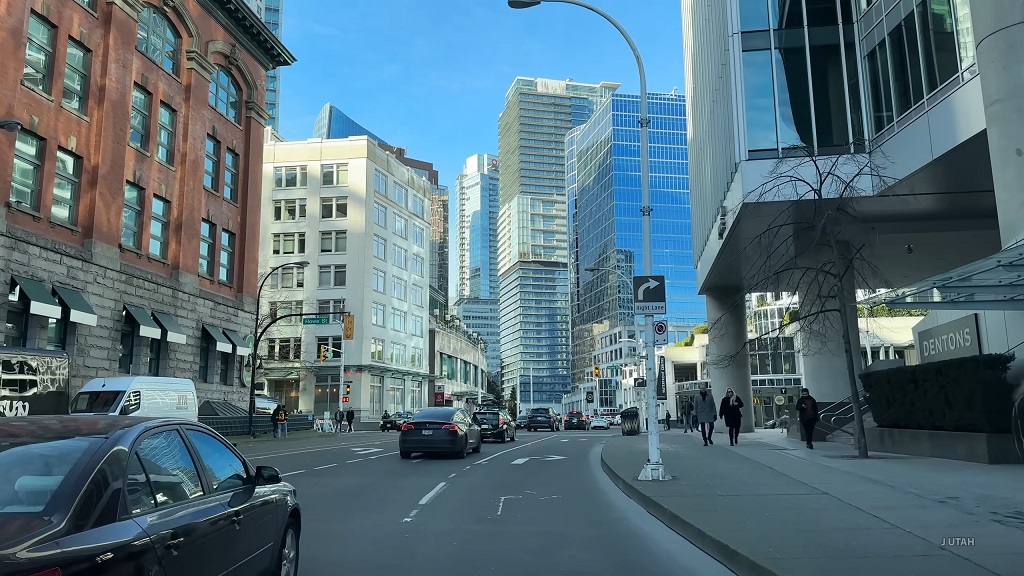
Most visitors skip car rentals inside the city. If driving, the City of Vancouver provides clear guidance on meters and mobile payment options, and visitors unfamiliar with North American road rules should also know what to do after an accident, including when to contact a car crash lawyer.
Sample itineraries
Use as frameworks rather than strict plans.
2 Days
Day 1
- Morning: Stanley Park seawall
- Midday: West End or Coal Harbour
- Afternoon: Vancouver Aquarium or beach
- Evening: Yaletown or downtown dinner
Day 2
- Morning: Granville Island market
- Afternoon: Gastown and Chinatown
- Evening: Richmond food run via Canada Line
4 Days
Day 3
- Morning: Capilano Suspension Bridge Park
- Afternoon: Grouse Mountain
- Evening: relaxed downtown dinner
Day 4
- Victoria via BC Ferries or Gulf Islands depending on interest
FAQs
Summary
Vancouver rewards travelers who let the city breathe. Mix water, neighborhoods, food, and one good view from above, and the trip starts to feel balanced without trying too hard.