
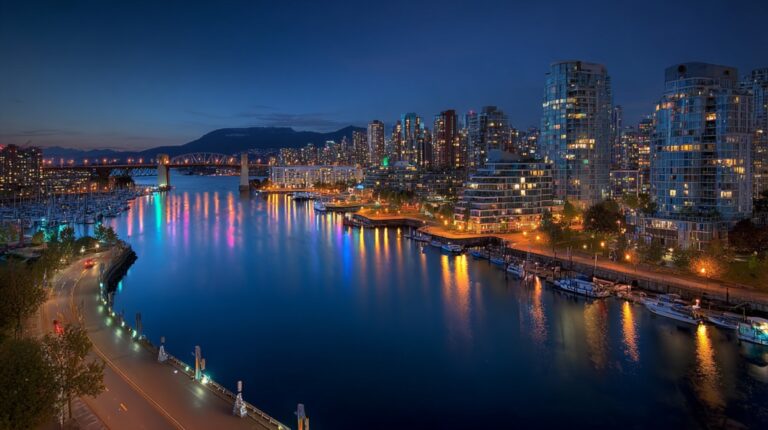
Vancouver has a way of making trips feel simple. Streets are clean, transit works, and views calm people down. Days move easily from coffee shops to seawall walks to dinner reservations. Safety planning still belongs in the background of every visit, mostly because large cities share similar patterns.
Late nights compress risk, crowded areas attract petty theft, and a few downtown blocks change personality after dark. None of that needs fear. It needs quiet preparation.
Local crime reporting shows that Vancouver sits in a range familiar to many North American cities. Police reported a Crime Severity Index of 81.2 in 2024, paired with a crime rate of 5,438 incidents per 100,000 population, and both figures declined compared with 2023.
Nationally, Canada posted a homicide rate of 1.91 per 100,000 population in 2024, also lower than the year before. Public messaging during 2025 included references to historically low violent crime during police operations in the Downtown Eastside.
Direction matters more than headlines. For visitors, everyday issues lead the list. Lost phones, stolen bags, wrong turns late at night, or rides home that fall apart.
Know The Downtown Map That Locals Carry In Their Heads
Downtown Vancouver is compact. Small route choices change how a walk feels. Many visitors store walking routes in their phone, and running the note through a word counter keeps directions tight enough to glance at mid-walk.
Areas That Feel Busy And Predictable
Most of the central core, Yaletown, Coal Harbour, and the Seawall hold steady foot traffic through the day and early evening.
Restaurants stay busy, streets remain well-lit, and transit connections remain close by.
- Granville Street Entertainment District is known for heavy late-night crowds and intoxication-related conflict.
- Gastown and nearby blocks are lively during daylight hours and more unpredictable later.
- Edges near the Downtown Eastside, where visible street disorder and different street rhythms stand out.
Downtown Eastside Routing In Plain Terms
The Downtown Eastside does not move as a single uniform zone. A small number of blocks can feel very different from nearby tourist corridors.
City pedestrian safety material has pointed out a historic concentration of pedestrian injuries in the neighbourhood tied to a “dangerous strip” highlighted in research.
For visitors, pedestrian safety blends directly into personal safety. Late-night crossings, distracted walking, and unfamiliar intersections create openings for trouble.
Transit Safety Across SkyTrain, Buses, And SeaBus
View this post on Instagram
Transit runs well and remains one of the easiest parts of visiting Vancouver. Most safety planning revolves around awareness and knowing how to reach help quietly.
Transit Police Contacts Worth Saving
Metro Vancouver Transit Police offers both call and text options for non-emergency situations, which works well when discreet communication matters.
| Situation | Contact | Use |
| Emergency | 911 | Immediate response |
| Transit Police Non-Emergency | 604-515-8300 | Transit incidents not requiring 911 |
| Transit Police Text | 87-77-77 | Discreet reporting |
Saving both numbers in a phone before arrival removes guesswork later.
Riding Habits That Lower Risk
Local police guidance for personal safety encourages route planning, busy and well-lit stops at night, and positioning close to help.
- Choose seats closer to the driver on buses during late hours.
- Stand near other riders on SkyTrain platforms rather than at far ends.
- Move to another car if one feels isolated.
- Keep phones low and ears open on platforms.
- Avoid standing with back turned toward track edges.
NightBus For Late Nights
TransLink’s NightBus keeps routes running after regular service winds down, with departures every 20 to 30 minutes, seven nights each week.
Many visitors overlook NightBus and then scramble for rides later. Screenshotting the correct route and confirming the stop location while still inside a venue or café keeps the ride home simple.
Walking Safety With Small Habits That Matter
Walking sells Vancouver. Night walking also becomes the point where visitors improvise.
The 60-Second Route Check
Before stepping outside for a short walk, run through four fast checks:
- Confirm the full destination address.
- Pick a main street route, even if it adds a few minutes.
- Choose a safe pause point such as a hotel lobby or late-night café.
- Put the phone away for the first two minutes.
Local police guidance encourages route planning, awareness of transit schedules, and use of well-lit options at night.
Walking Solo After Dark
Risk control beats theatrics.
- Keep both hands free when possible.
- Zip bags and wear cross-body straps.
- If an interaction feels off, move toward light and people.
- Step inside a business to check directions rather than stopping at a quiet curb.
Late Nights, Bars, And The Ride Home
Late nights compress fatigue, alcohol, and crowd movement into a narrow window.
Decide The Ride Home Before Going Out
Commit to a plan before the first drink.
- Transit plan: last SkyTrain timing plus NightBus fallback.
- Rideshare plan: well-lit meeting points and plate confirmation inside the app.
- Taxi plan: licensed taxi stands or direct calls.
The final stretch home remains where most visitor problems cluster.
Drink Safety Awareness
Local awareness campaigns highlight drink tampering risks tied to sexual assault, robbery, and other harm. Simple habits protect visitors:
- Watch drinks being poured.
- Keep drinks in hand or finish them.
- Report odd taste or sudden impairment to staff, stay with trusted people, and arrange transport.
Theft Prevention That Matches Real Patterns
Local police guidance on theft remains direct. Visible items inside vehicles invite break-ins, even when items appear low-value.
Rental Cars
- Remove everything before parking.
- Avoid leaving charging cables, sunglasses, jackets, loose change, or shopping bags inside.
- Park in bright, busy areas.
- Load luggage before arriving at a destination so nobody watches items go into the trunk.
Backpacks And Phones Downtown
- Zip compartments and use interior pockets for wallets.
- Keep phones out of open hands at crosswalks late at night.
- Take photos and then pocket the device.
Bike And E-Scooter Visitors
City guidance encourages bike registration through 529 Garage and proper locking practices. Registration improves the odds of recovery if theft occurs. Rental bikes and e-bikes attract attention even during short visits.
Who To Call In Vancouver

Saving contact numbers before arrival removes stress later.
| Situation | Best Contact | Use |
| Life-threatening emergency | 911 | Immediate response |
| Police Non-Emergency | 604-717-3321 | Non-urgent reporting |
| City Services And Enquiries | 3-1-1 or 604-873-7000 | Noise, graffiti, city issues |
| Transit Police Non-Emergency | 604-515-8300 or text 87-77-77 | Transit incidents |
| Health Advice | 8-1-1 | Non-emergency health guidance |
Weather, Darkness, And Quiet Hazards
Safety extends beyond crime. Rain, early winter darkness, and slick surfaces create fall risk and poor visibility. Seawall walks, hikes, and winter driving deserve basic preparation.
British Columbia uses emergency alerts delivered through television, radio, and mobile phones, while EmergencyInfoBC shares active emergency information. Vancouver also uses the Alertable public alerting system for significant local incidents.
Earthquake Preparedness For Visitors
Earthquakes remain part of coastal life. Provincial guidance recommends maintaining at least 3 days of food, water, and supplies, with 1 to 2 weeks considered ideal. Visitors can adapt the idea:
- Locate stairwells on arrival.
- Carry a small flashlight and power bank.
- Store passports and documents together for quick access.
View this post on Instagram
Checklists
Short lists make daily plans faster, reduce second-guessing, and keep small safety habits consistent from morning walks to late-night rides home.
Daytime Checklist
- Secure phone and wallet in crowds.
- Carry only what fits the day’s plan.
- Use main streets and marked crossings.
- Leave nothing visible inside vehicles.
Late-Night Checklist
- Confirm NightBus or ride home plan.
- Avoid quiet side street detours.
- Watch drinks being poured.
- Save Transit Police text 87-77-77 and police non-emergency numbers.
Transit Checklist
- Stand near other riders on platforms.
- Change cars if a situation feels off.
- Report non-emergency transit issues via call or text.
Final Thoughts
Vancouver rewards prepared visitors. Simple planning around routes, rides home, and personal habits keeps trips smooth. Awareness stays quiet, routines stay light, and the city remains easy to enjoy.