
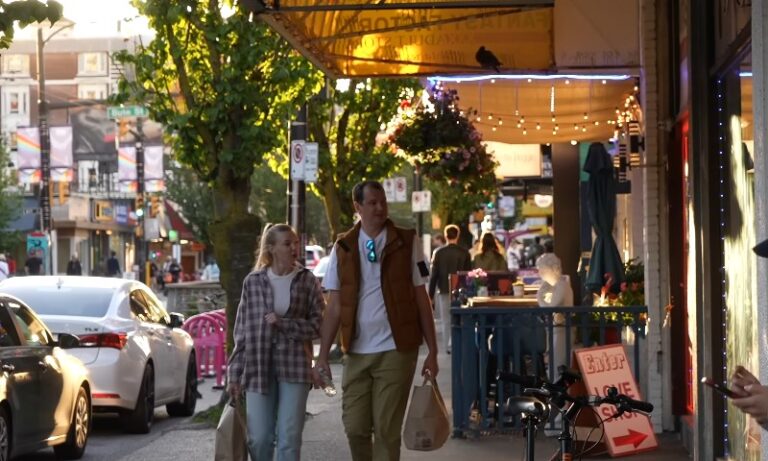
Vancouver is built for eating well. The city sits between ocean and mountains, with Fraser Valley farms feeding local kitchens and a population shaped by immigration.
According to statistics, about 41.8% of people in the Vancouver CMA are immigrants, and that reality shows up on menus in a way few North American cities can match. The result is a food culture that feels wide, generous, and easy to enjoy without needing a formal plan.
Local food has 2 meanings here.
One comes from West Coast ingredients such as wild salmon, spot prawns, Dungeness crab, oysters, and mussels.
The other lives in neighborhoods, where sushi counters, Cantonese roast shops, dim sum halls, Punjabi sweets, Persian bakeries, Vietnamese pho rooms, Korean fried chicken spots, and late-night noodle joints form everyday eating.
With that said, we prepared a guide that will show you exactly how people eat here. Let’s get right into it.
How Vancouver’s Food Scene Works
Vancouver does not operate around one food district. Eating follows neighborhoods and mood.
- Downtown, Coal Harbour, Yaletown: Polished dining rooms, hotel bars, high-end sushi, seafood-forward menus.
- Gastown And The Chinatown Edge: Cocktail rooms, modern Chinese plates, and long-running institutions.
- Main Street and Mount Pleasant: Mid-range creative kitchens, bakeries, breweries, and casual date-night rooms.
- Commercial Drive: Coffee culture, old-school dining rooms, and wide cuisine range.
- Richmond: About 20 to 30 minutes by Canada Line SkyTrain, known for Chinese and pan-Asian cooking plus the seasonal night market scene.
Must Try Vancouver Foods & Where To Start
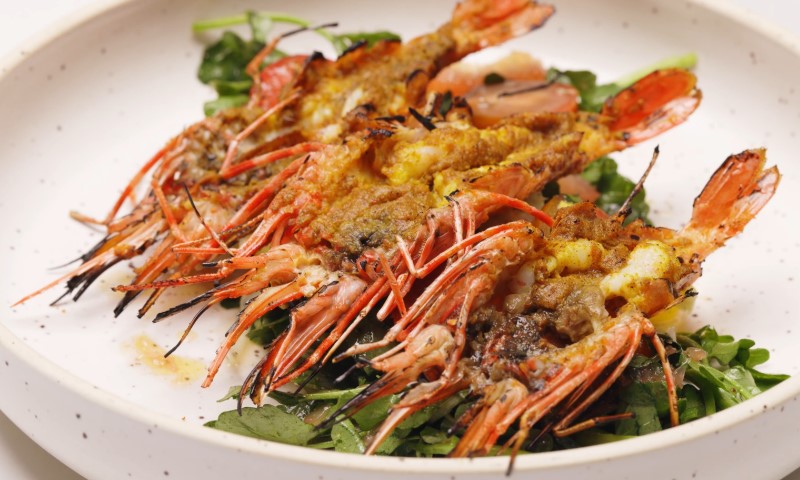
A short list helps cut through the noise, pointing you toward the dishes and stops that define how Vancouver actually eats.
1. Spot Prawns, Only If You Hit The Season
Spot prawns run the city for a short window each year.
- Season timing: Commercial season usually lasts 6 to 8 weeks, opening in early May and running into mid to late June.
- How locals eat them: Quick grill, sashimi, nigiri, or barely warmed in butter with lemon.
Seafood counters and sushi bars flip menus for spot prawn weeks. Granville Island seafood vendors become crowded with people buying prawns straight off the boats. During May or June, asking friends what they plan for spot prawns makes sense here.
2. Wild Salmon In Everyday Cooking And Indigenous Food
Wild salmon appears in sashimi, grills, smoking rooms, and modern West Coast plates.
For a meal grounded in cultural roots, Salmon n’ Bannock describes itself as Vancouver’s only Indigenous restaurant, focusing on traditional ingredients and Indigenous flavors.
The restaurant stands out as a Vancouver-specific experience that feels genuine and grounded.
3. Oysters And Shellfish
Oysters show up casually here. Happy hour oysters paired with a glass of something crisp form a common pattern.
Menus often list BC oysters by name. Mussels and other shellfish hold equal standing as everyday menu items rather than special occasion food.
4. Sushi That Locals Trust
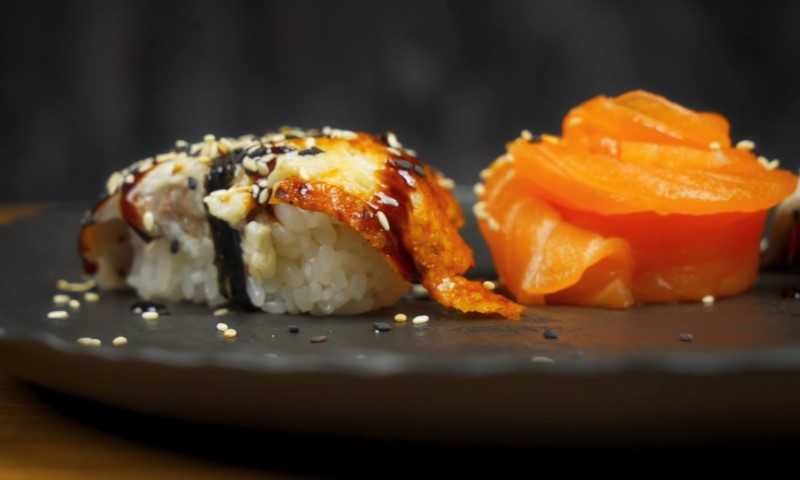
Sushi runs from quiet neighborhood counters to full omakase rooms. Vancouver’s sushi culture stays practical, and solid plates rarely require a long wait or formal plans.
A well-known local story ties chef Hidekazu Tojo to the inside-out California roll. His explanation describes early diners preferring seaweed hidden, which led to the style catching on. The origin remains debated, though Vancouver sits firmly inside the story.
Local Ordering Patterns
- Aburi nigiri
- BC spot prawn nigiri during season
- Sockeye salmon sashimi when quality runs high
- BC rolls made with salmon skin and cucumber
5. Dim Sum, Cantonese Roast Meats, And Chinese Bakeries
Chinese food remains central to Vancouver’s daily eating habits. Statistics Canada lists China, India, and the Philippines among the top birthplaces of immigrants in the Vancouver CMA, which explains the city’s comfort with dim sum halls, roast meat counters, and bakery windows stacked with buns.
Easy Way to Approach It
- Weekend dim sum brunch
- Roast duck or BBQ pork with rice
- Bakery stops for buns and egg tarts
Travel guides often point to Chinatown bakeries for pork buns as a casual snack stop between other plans.
6. Ramen And Late-Night Noodles
Ramen runs deep across downtown and the urban core. National tourism coverage calls out dozens upon dozens of ramen restaurants, reflecting how easy ramen fits into daily routines here.
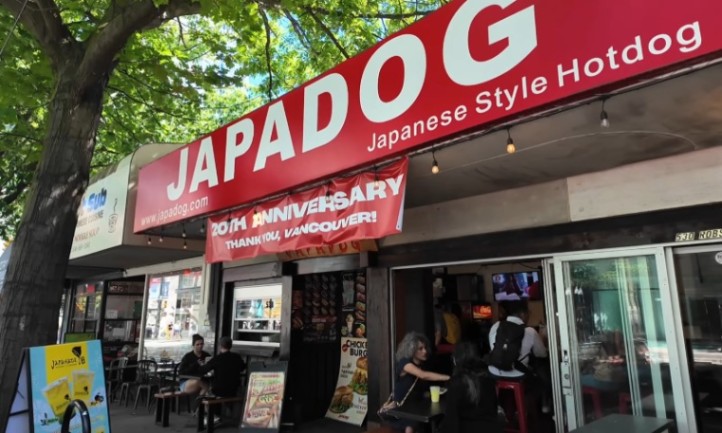
7. JapaDog
JapaDog started in Vancouver in January 2005 and became a recognizable stop for quick bites.
Travel authorities still call it out as a Vancouver food marker. Order one, share if running a food crawl, then move on.
8. Richmond Night Market
The Richmond Night Market carries a festival feel and only runs during the warmer months.
Tourism Richmond calls it the largest night market in North America with 70 food stalls and 100 retail stalls .
Practical advice stays simple. Use the Canada Line to Bridgeport Station and walk because parking becomes heavy.
People come for skewers, noodles, dumplings, sweet drinks, and desserts. Expect long lines and steady movement.
9. The London Fog
A London Fog, made with Earl Grey tea, milk, and vanilla, carries local café lore. Food Republic traces its roots to Vancouver’s Buckwheat Cafe and a customer named Mary Loria.
Food & Wine also notes that the origin remains debated while Vancouver continues to appear in the story.
Must-Eat Table
| What To Try | What It Is | Best Time | Where To Focus |
| Spot prawns | Sweet prawns served sashimi, nigiri, or lightly grilled | Early May to mid or late June | Seafood counters and sushi bars |
| Wild salmon | Grilled, smoked, sashimi, and modern plates | Year-round | Indigenous dining, seafood rooms, sushi |
| Oysters | BC oysters by the dozen | Year-round | Oyster bars and seafood happy hours |
| Sushi | Neighborhood to omakase | Year-round | Core neighborhoods |
| Dim sum | Cantonese brunch classics | Weekends busiest | Richmond and Chinatown edge |
| Ramen | Tonkotsu, shoyu, miso | Year-round | Downtown and urban core |
| JapaDog | Japanese-style hot dog | Year-round | Downtown |
| Richmond Night Market | Street food crawl | Summer season | Near Bridgeport Station |
| London Fog | Earl Grey tea latte | Year-round | Independent cafés |
Where Locals Actually Go, By Type Of Eating
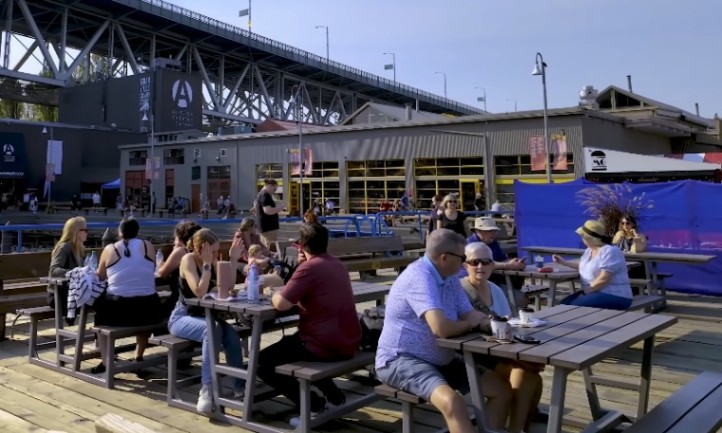
Eating in Vancouver follows habits, not hype, and grouping spots by how people actually use them makes planning faster and more realistic.
Market Grazing At Granville Island
Granville Island stays busy because it works. Locals use it for bread, cheese, charcuterie, pastries, produce, and seafood. The space fits casual lunches, buying spot prawns in season, and hosting visitors with mixed tastes.
Serious Dinners Using Michelin As A Filter
The Michelin Guide plays a real role here. The 2025 Vancouver Michelin selection lists 76 restaurants across 22 cuisine types. One-star rooms suit destination dinners. Bib Gourmand picks cover strong value choices.
Local Expert Picks From Eater
Eater’s Vancouver maps provide practical lists across neighborhoods and price points. They help solve same-day questions, such as where to eat tonight or what remains strong right now.
Indigenous Dining As A Planned Stop
Vancouver sits on the traditional and unceded territories of the Musqueam, Squamish, and Tsleil-Waututh Nations. Indigenous food remains part of the region’s cultural story.
Salmon n’ Bannock stands as the city’s only dedicated Indigenous restaurant, according to multiple local journalism profiles, and remains the most direct way to reflect that side of Vancouver’s food culture in a single reservation.
Night Market Eating
The Richmond Night Market feels like an event rather than dinner. Visitors wander, queue, snack, and keep moving. Tourism Richmond highlights transit use, short walks from Bridgeport Station, and steady lineups as part of the experience.
Building A Vancouver Food Itinerary
If You Have 1 Day
- Lunch crawl at Granville Island
- Sushi or seafood dinner downtown
- Add JapaDog as a quick stop
If You Have 2 Days
Day 1
- Granville Island daytime
- Evening plates in Gastown, Main Street, or Mount Pleasant
Day 2
- Richmond for dim sum or dumplings
- Richmond Night Market if operating
If You Have 3 Days
Add one Indigenous dining reservation at Salmon n’ Bannock and one Michelin-filtered dinner if budget allows.
Vancouver Ordering Tips That Save Time And Money
@mattjames9191 24 hour eating guide in vancouver, canada 🍴🇨🇦 . everything we ordered & ate 💰: . Say Hey Cafe & Deli 👨🏾🍳 🥪Oochee Mama $9 Bacon, smoked cheddar, smokey chili mayo, pickled serranos, hot banana peppers, chili garlic oil 🥪Mortel $9 Mortadella (sausage), provolone (cheese), mayo, SH! Spread 🥧SEASONAL FRUIT HAND PIE $4 (think McDonald’s apple pie 😋) 🍪 Triple chocolate chip brown butter cookie $3 Sushi Hil👨🏾🍳 🍣Bluefin Otoro | 4 Pcs $42 🍣Bluefin Chutoro | 4 Pcs $36 🍣King Salmon | 4 Pcs $20 🍣Hamachi | 4 Pcs $20 🍣Bluefin Roll *limited availability* | Assorted Bluefin | Tobiko | 🍣Shiso $25 🍣AS Wagyu / 1 Pc $10 Pizzeria Farina 👨🏾🍳 🍕 QUATTRO FORMAGGI $21 (Tomato sauce, fior di latte, parmigiano, aged mozzarella, ricotta, basil, oregano ADD pepperoni) 🍕 LIL’ LEO $21 (spicy Italian sausage, tomato sauce and fresh parsley)
Plan Around Spot Prawn Season
Spot prawns hold the shortest and most sought-after season, usually running May into mid or late June.
Expect Lines In Richmond
High demand patterns create steady queues. Lines reflect popularity rather than mistakes.
Use Transit For Richmond Trips
The Canada Line simplifies Richmond food missions, and night market organizers push SkyTrain use for practical reasons.
Watch For Sustainable Seafood Signals
Restaurants highlighting Ocean Wise participation reflect local habits around responsible sourcing.
Why Vancouver Eats The Way It Does
The shape of Vancouver’s food culture comes from geography and people. Ocean access places seafood front and center. Fraser Valley farms keep produce local. Immigration shapes menus across neighborhoods.
A Final Note Before You Eat
Vancouver rewards simple planning and flexible days. One good reservation, a few casual stops, and a willingness to snack between plans often produce better results than tightly scheduled meals. Eat seasonally, follow neighborhood patterns, and let the city’s mix of cultures guide your choices.